
When you imagine the materials that shape our most stunning contemporary homes, concrete often comes to mind for its raw, industrial strength. But what if concrete could be reinvented? What if it could be made thinner, lighter, more versatile, and yet even stronger? Enter Glass Fiber Reinforced Concrete (GFRC), a composite material that is quietly revolutionizing architectural design and offering homeowners a suite of unparalleled benefits.
When you imagine the materials that shape our most stunning contemporary homes, concrete often comes to mind for its raw, industrial strength. But what if concrete could be reinvented? What if it could be made thinner, lighter, more versatile, and yet even stronger? Enter Glass Fibre Reinforced Concrete (GFRC), a composite material that is quietly revolutionizing architectural design and offering homeowners a suite of unparalleled benefits.
GFRC is precisely that: a sophisticated blend of traditional concrete, reinforced with specially engineered glass fibres. This combination transforms the material's inherent properties, opening a world of creative and practical possibilities for modern living spaces. Let's explore the key advantages that make GFRC the secret weapon of forward-thinking architects and homeowners.
Unmatched Design Versatility and Aesthetic Freedom
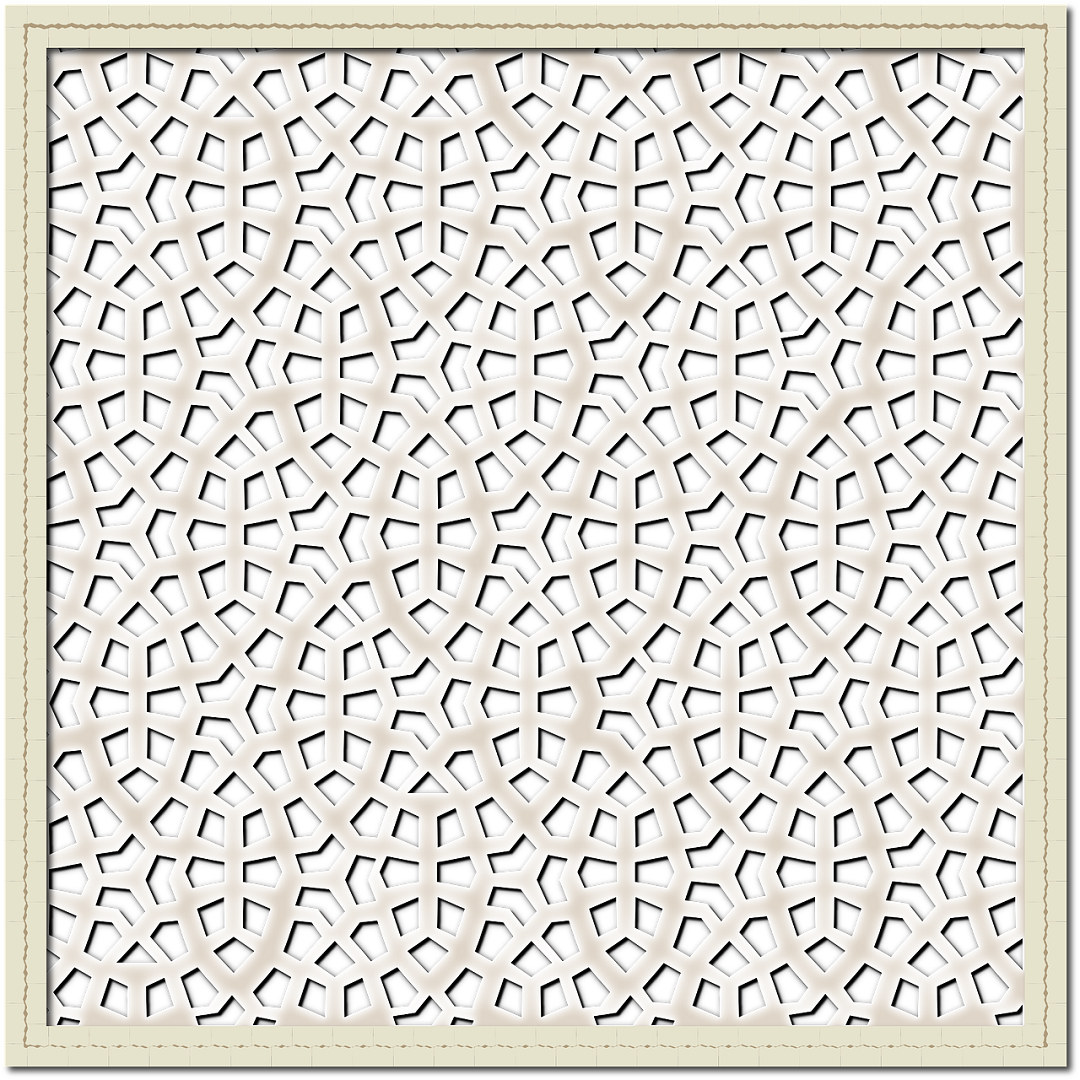
One of the most compelling advantages of GFRC is its ability to be molded into virtually any shape or form. This liberates designers from the constraints of traditional concrete. Whether you desire sweeping, curved walls, intricately detailed GFRC columns, or ultra-modern geometric facades, GFRC can achieve it. Its application extends to stunning GFRC panels for both interior feature walls and exterior cladding, offering a seamless, monolithic look that is both luxurious and contemporary. Furthermore, the artistry of GFRC jali (perforated screens) demonstrates its finesse, allowing for beautiful play of light and shadow while maintaining privacy and facilitating ventilation—a perfect blend of ancient tradition and modern technology.
Remarkable Strength with Surprising Lightness
Don't let its thin profile fool you. The inclusion of glass fibers provides exceptional tensile strength, meaning GFRC is highly resistant to cracking and impact compared to traditional concrete. Yet, it is significantly lighter. Typical GFRC panels are only about 3/4 to 1 inch thick, drastically reducing the structural load on a building. This benefit of GFRC makes it ideal for renovations, upper-story additions, or cantilevered designs where weight is a critical concern, without compromising on the robust, substantial feel of concrete.
Superior Durability and Weather Resistance
A modern home must be built to last, and GFRC excels in longevity. It is highly resistant to environmental stressors such as freeze-thaw cycles, moisture penetration, and corrosion. The material's low permeability means it withstands the elements far better than many traditional cladding options. This durability translates to a lower lifetime cost, as GFRC in building designs requires minimal maintenance and is less likely to need repair or replacement.
Efficiency in Construction and Installation
The prefabrication of GFRC panels and components is a game-changer for construction timelines. These elements are precision-cast in a controlled factory environment, ensuring consistent quality and finish. On-site, installation is swift and clean, akin to hanging large, sturdy tiles. This efficiency reduces overall construction time, labor costs, and on-site waste, making it a smarter, more sustainable choice for building projects.
Enhanced Thermal Performance and Sustainability
GFRC contributes positively to a home's energy profile. When used as cladding, it can be integrated with insulation systems to create a highly effective thermal envelope. Additionally, its durability and long life cycle reduce the need for resource-intensive repairs or replacements. The material itself can incorporate recycled content, aligning with the growing demand for sustainable building designs.
A Canvas for Finishes
The aesthetic possibilities with GFRC extend beyond form to finish. It can be pigmented throughout to achieve any color, exposed with aggregates for a textured look, or polished to a smooth, refined surface. It readily accepts stains, dyes, and sealers, allowing for complete customization to match any design vision, from sleek urban loft to warm, earthy retreat.
Conclusion: The Modern Material for a Modern Home
The advantages of GFRC make it more than just a building material; it's a design partner. It answers the modern homeowner's call for beauty, strength, efficiency, and sustainability all in one. From the bold statement of a GFRC column at an entryway to the delicate pattern of a GFRC jali filtering afternoon light, this material empowers architects to push boundaries and allows homeowners to live within a work of art that is built to endure.
If you're planning a new build or a renovation and crave a material that offers timeless appeal with cutting-edge performance, look beyond the conventional. Explore the potential of Glass Fiber Reinforced Concrete—it’s the modern advantage your home deserves.